hongkongmark.com – Few dishes capture the heart of Korean home cooking quite like Kimchi Jjigae. Bold, fiery, and deeply comforting, this iconic stew transforms humble fermented cabbage into a rich, bubbling pot of flavor. More than just a meal, Kimchi Jjigae is a symbol of resilience, resourcefulness, and the beauty of turning simple ingredients into something profoundly satisfying.
At its core, Kimchi Jjigae is built around aged kimchi. Unlike fresh kimchi, which offers a crisp and bright profile, well-fermented kimchi brings a deeper sourness and complexity that forms the backbone of the stew. The longer the kimchi ferments, the more intense and layered its flavor becomes. Rather than letting overripe kimchi go to waste, Korean households ingeniously repurpose it into this hearty dish, proving that culinary wisdom often lies in transformation.
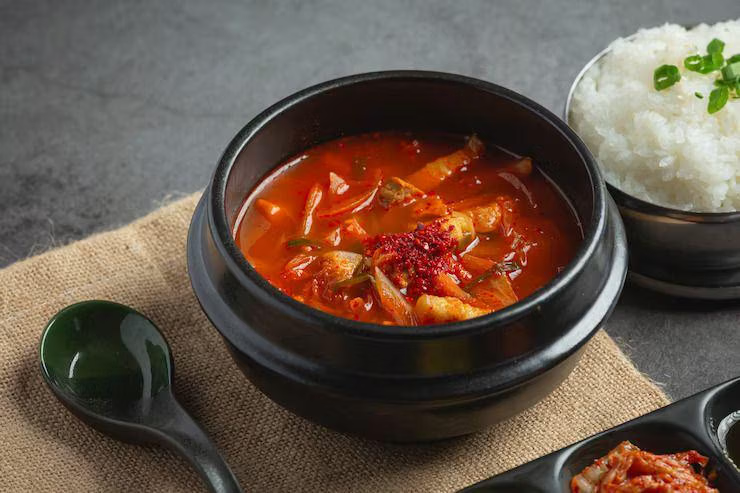
The preparation begins with sautéing kimchi alongside garlic and often sliced pork belly or tuna. The fat from the meat blends with the tangy kimchi, creating a savory base that is both aromatic and robust. Gochujang (Korean chili paste) and gochugaru (chili flakes) are typically added, amplifying the stew’s signature heat and deep red hue. Once broth or water is poured in, the mixture simmers until all the ingredients meld into a harmonious balance of spicy, sour, and umami flavors.
Tofu is an essential addition, offering a soft and delicate contrast to the bold broth. Cut into thick slices, it absorbs the rich seasoning while maintaining its silky texture. Some variations include vegetables such as zucchini, onions, and scallions, while others incorporate mushrooms for added earthiness. Each household has its own version, reflecting regional influences and personal preferences.
One of the defining characteristics of Kimchi Jjigae is its intensity. The stew is unapologetically flavorful, with a sharp tang that awakens the palate and a warmth that lingers long after the last spoonful. Served piping hot in a stone pot, it continues to bubble at the table, filling the air with its unmistakable aroma. A bowl of steamed white rice is typically served alongside, providing a neutral canvas that balances the stew’s bold profile.
Beyond its taste, Kimchi Jjigae carries emotional significance. It is often associated with home-cooked meals and family gatherings. In Korea, it is a common weekday dinner, a reliable comfort during cold winters, and even a popular choice in casual restaurants. The dish embodies warmth and familiarity, offering comfort in both flavor and ritual.
Kimchi Jjigae also reflects the cultural importance of fermentation in Korean cuisine. Fermented foods are not only valued for their taste but also for their historical role in food preservation. Kimchi, in particular, has been a staple for centuries, and its versatility shines through dishes like this stew. By embracing fermentation, Korean culinary traditions celebrate patience, depth, and the natural evolution of flavor.
In recent years, Kimchi Jjigae has gained international recognition as global interest in Korean food continues to grow. Food enthusiasts around the world are discovering its bold character and appreciating the balance it achieves between heat and tanginess. Yet despite its expanding popularity, the essence of Kimchi Jjigae remains unchanged — a simple, honest dish rooted in everyday life.
Ultimately, Kimchi Jjigae is more than a spicy stew. It is a testament to the power of tradition, the ingenuity of home cooking, and the enduring comfort of sharing a warm meal. With every bubbling pot, it tells a story of heritage and heart, inviting everyone to experience the soulful depth of Korean cuisine.