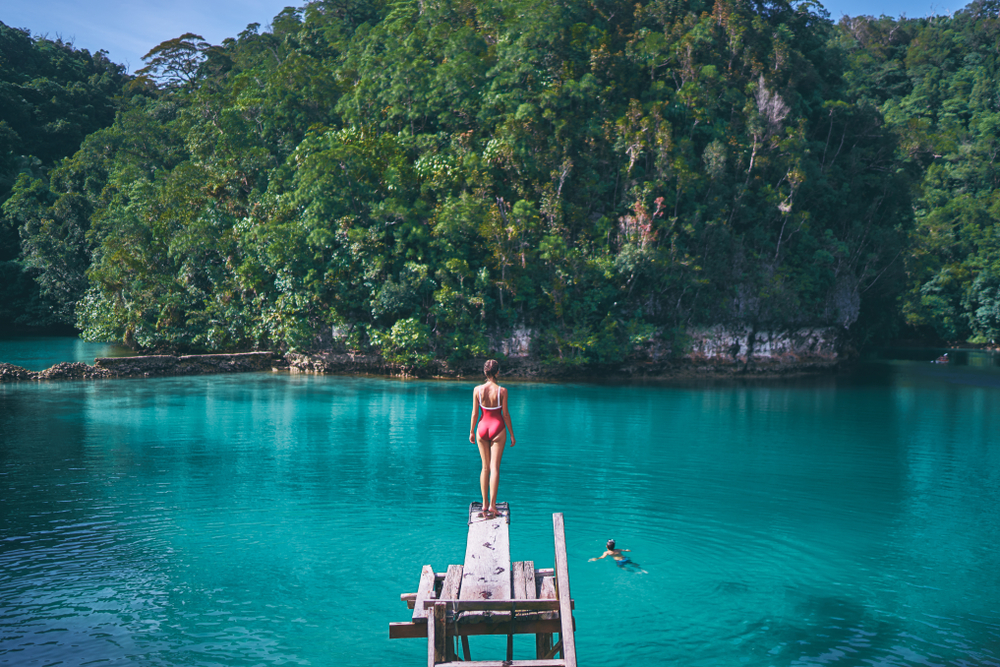
hongkongmark.com – The Philippines, an archipelago nation in Southeast Asia comprising more than 7,600 islands, is a dream destination for beach lovers, adventure seekers, divers, and culture enthusiasts. With crystal-clear turquoise waters, powdery white-sand beaches, dramatic limestone cliffs, lush rice terraces, and incredibly warm and hospitable locals, it’s no wonder the country continues to rank among the world’s top travel spots. In 2026, the Philippines is booming as a tourism hotspot — with record visitor numbers, emerging food scene recognition (including the MICHELIN Guide’s debut in Manila and Cebu), and sustainable efforts in places like Boracay and Palawan making it more appealing than ever.
Whether you’re planning a beach getaway, island-hopping adventure, or cultural immersion, here’s your complete guide to traveling in the Philippines in 2026.
Best Time to Visit
The dry season (December to May) is generally the best time, with sunny skies, lower humidity, and calm seas ideal for beaches and outdoor activities. Peak months are December–April, when crowds are higher and prices rise — book ahead!
- January–April: Perfect weather (24–31°C), great for island hopping and diving.
- June–October: Wet season with potential typhoons (especially July–November), but some areas like Siargao offer excellent surfing during this time.
- Avoid peak typhoon season (July–October) if possible, though weather varies by region.
Always check forecasts, as climate change has made extreme weather more unpredictable.
Visa and Entry Requirements (2026 Update)
Most nationalities (including from the US, EU, Australia, Singapore, and many others) enjoy visa-free entry for up to 30 days for tourism. You’ll need:
- A passport valid for at least 6 months.
- Proof of onward/return ticket.
- Completed eTravel registration (online form before arrival).
Extensions are easy at Bureau of Immigration offices (add 29 days initially, then longer). Travel insurance is highly recommended, covering medical evacuation and natural disasters.
The country is generally safe for tourists in popular areas, with enhanced tourist police presence. Avoid isolated or conflict-prone regions in Mindanao (check advisories). Respect local customs: dress modestly at religious sites and learn basic phrases like “Salamat” (thank you) — Filipinos appreciate the effort!
Top Destinations to Visit in 2026
The Philippines shines with diverse experiences across its three main regions: Luzon, Visayas, and Mindanao.
- Palawan — Often called the “Last Frontier,” home to UNESCO-listed Puerto Princesa Subterranean River and stunning lagoons.
- El Nido and Coron: Epic island hopping, lagoons, hidden beaches, and world-class diving/snorkeling with wrecks and marine life.
- Port Barton: Quieter alternative with turtles and serene vibes.
-
Boracay — Iconic for its powdery White Beach, vibrant nightlife, and water sports. Post-rehab, it’s more sustainable and beautiful than ever.
-
Bohol — Famous for the surreal Chocolate Hills (over 1,200 cone-shaped mounds that turn chocolate-brown in dry season) and tiny tarsiers (world’s smallest primates).
- Siargao — Surfing capital with Cloud 9 waves, laid-back vibe, great food scene, and digital nomad appeal.
- Cebu — Mix of urban energy, beaches, waterfalls (like Kawasan for canyoneering), and history.
- Banaue & Batad Rice Terraces (Luzon) — UNESCO World Heritage site; ancient hand-carved terraces often called the “Eighth Wonder of the World.”
Must-Do Activities
- Island hopping and snorkeling/diving (spot whale sharks in Oslob or turtles in Palawan).
- Surfing in Siargao or canyoneering in Cebu.
- Food adventures: Try lechon (roast pig), adobo, halo-halo, street eats, and emerging fine dining in Manila.
- Cultural immersion: Jeepney rides, local markets, and festivals.
Practical Tips for Travelers
- Getting Around: Fly domestically (Cebu Pacific, AirAsia, Philippine Airlines — cheap if booked early). Ferries for island hopping (but check weather). Grab or local tricycles for short distances.
- Budget: Affordable — $35–60/day for backpackers (hostels, street food); mid-range $80–150.
- Connectivity: Buy a SIM (Globe/Smart) for data. WiFi varies; islands can be spotty.
- Sustainability: Use reef-safe sunscreen, avoid touching corals, support eco-tours.
- Safety: Stay hydrated (hot & humid), use reputable operators for adventures.
The Philippines offers an unbeatable mix of natural beauty, adventure, and genuine Filipino hospitality. From postcard-perfect beaches to hidden gems off the beaten path, it’s a place that rewards exploration. Ready to plan your island-hopping adventure? Mabuhay — welcome to paradise!