hongkongmark.com – Busan, South Korea’s second-largest city, offers a unique blend of coastal beauty, vibrant urban life, and deep-rooted cultural traditions. Located on the southeastern tip of the Korean Peninsula, Busan is widely known for its stunning beaches, bustling ports, scenic mountains, and relaxed atmosphere that contrasts with the fast-paced energy of Seoul. As a travel destination, Busan appeals to visitors seeking both natural scenery and modern city experiences.
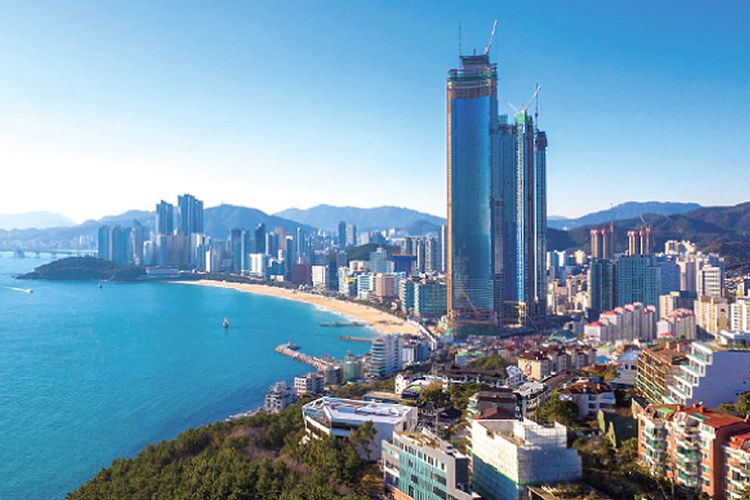
One of Busan’s most iconic attractions is Haeundae Beach. Stretching along the coastline with soft sand and clear water, Haeundae is a popular destination for both locals and tourists. The surrounding area is filled with cafes, luxury hotels, and seafood restaurants, creating a lively environment throughout the year. During summer, the beach becomes the heart of the city’s recreational life, while in cooler seasons it offers peaceful seaside walks.
Another highlight is Gamcheon Culture Village, often referred to as the “Santorini of Korea.” Built on a hillside overlooking the sea, this colorful neighborhood is known for its artistic murals, narrow alleys, and creative installations. Once a modest residential area, Gamcheon has transformed into a cultural landmark that reflects Busan’s commitment to preserving history while embracing creativity. Walking through the village offers visitors a glimpse into local life, art, and community spirit.
Busan is also famous for its traditional markets, with Jagalchi Fish Market standing out as the largest seafood market in Korea. Here, visitors can witness the city’s strong connection to the sea, explore rows of fresh seafood, and enjoy authentic local dishes prepared on the spot. Nearby Gukje Market adds to the experience with its variety of street food, clothing, and everyday goods, showcasing Busan’s dynamic trading culture.
For travelers interested in spiritual and natural experiences, Haedong Yonggungsa Temple provides a breathtaking setting. Unlike most Korean temples located in mountains, this Buddhist temple sits dramatically along the coastline. The sound of waves, ocean views, and intricate temple architecture create a calm and reflective atmosphere, making it a memorable stop for visitors.
Busan’s skyline is defined by modern architecture and scenic viewpoints, including Gwangalli Beach and the Gwangan Bridge. At night, the illuminated bridge creates a striking cityscape, offering one of the best nighttime views in South Korea. The area is also popular for dining and nightlife, blending urban energy with ocean views.
Beyond its attractions, Busan is known for its international film festival, which has positioned the city as a major cultural hub in Asia. The event attracts filmmakers, artists, and visitors from around the world, reinforcing Busan’s global appeal.
With its combination of beaches, cultural landmarks, local markets, and modern lifestyle, Busan presents a well-rounded travel experience. The city captures the essence of South Korea’s coastal charm while continuing to evolve as a destination that celebrates both tradition and innovation.