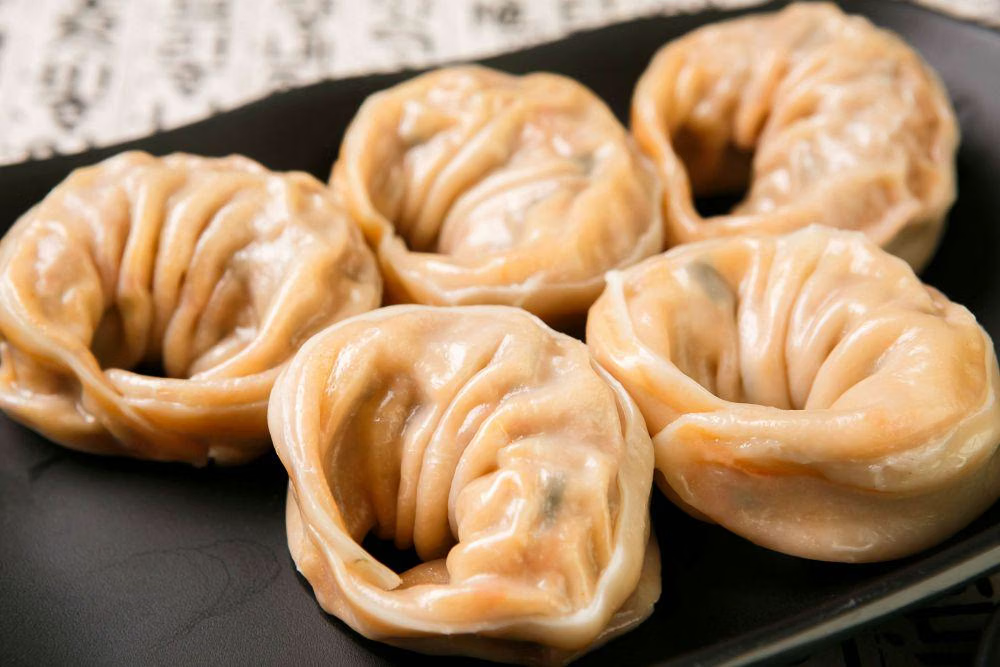
hongkongmark.com – Mandu are traditional Korean dumplings that hold a special place in the country’s culinary heritage. Known for their generous fillings and satisfying texture, mandu are enjoyed in many forms—from street food snacks to comforting home-cooked meals. While dumplings exist across many cultures, mandu stand out for their balanced flavors and deep connection to Korean food traditions.
Typically, mandu are made by wrapping a thin dough skin around a flavorful mixture of ingredients. Common fillings include ground meat, tofu, glass noodles, vegetables, garlic, and sesame oil. The combination creates a rich yet harmonious taste, with each bite offering layers of savory depth and subtle aroma. Unlike some dumplings that focus heavily on meat, mandu often emphasize balance between protein and vegetables.
One of the defining features of mandu is their versatility. They can be steamed, boiled, pan-fried, or deep-fried, each method bringing out a different character. Steamed mandu are soft and tender, while pan-fried versions develop a crispy bottom that contrasts beautifully with the juicy filling. Mandu can also be served in soup, creating a warm and comforting dish especially popular during colder seasons.
Mandu play an important role in Korean culture and celebrations. They are commonly prepared during special occasions, particularly the Lunar New Year, when mandu are added to rice cake soup as a symbol of prosperity and good fortune. Families often gather to make mandu together, turning the preparation process into a shared tradition passed down through generations.
Beyond home kitchens, mandu are a familiar sight in casual eateries and street food stalls. They are often served as a quick snack, a side dish, or part of a larger meal. Dipped in soy-based sauce with vinegar or chili, mandu offer a satisfying bite that appeals to all ages.
In recent years, mandu have evolved alongside modern food trends. Chefs experiment with new fillings, plant-based options, and creative presentations, bringing mandu to contemporary dining spaces without losing their traditional essence. Despite these innovations, the heart of mandu remains unchanged: simple ingredients crafted with care.
As Korean cuisine continues to gain global recognition, mandu have become increasingly popular around the world. Their familiar dumpling form makes them approachable, while their unique seasoning sets them apart. For many people, mandu serve as an introduction to the comforting and communal spirit of Korean food.
Mandu are more than just dumplings. They represent warmth, togetherness, and culinary heritage. Whether enjoyed at a family gathering, a bustling street stall, or a modern restaurant, mandu continue to connect people through flavor, tradition, and the timeless joy of a well-made bite.