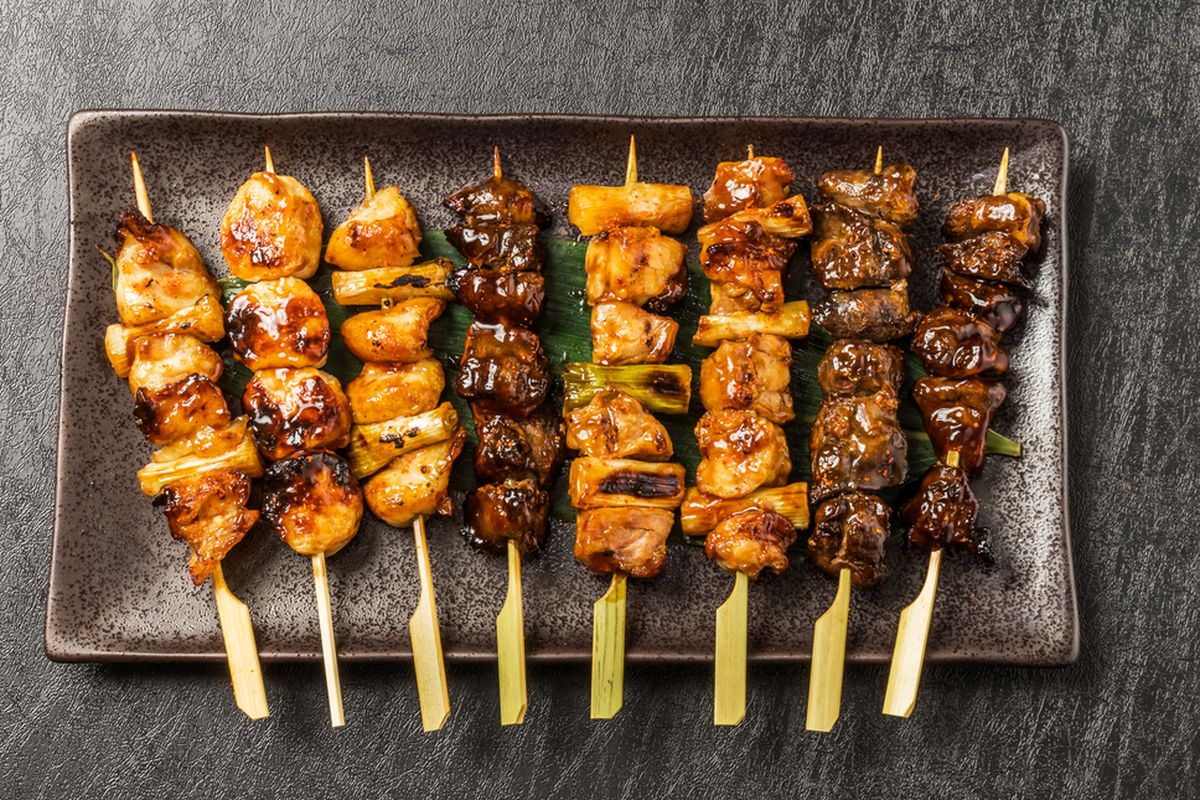
hongkongmark.com – Yakitori is one of Japan’s most beloved street foods, celebrated for its simplicity, bold flavors, and deep cultural roots. Literally meaning “grilled chicken,” yakitori consists of bite-sized pieces of chicken skewered on bamboo sticks and cooked slowly over charcoal. Despite its humble appearance, yakitori represents a refined culinary tradition that values technique, balance, and respect for ingredients.
At the heart of yakitori is the grill. Traditionally cooked over binchōtan charcoal, the chicken is exposed to steady, high heat that seals in juices while creating a lightly crisp exterior. This method produces a distinctive aroma and subtle smokiness that defines authentic yakitori. The grill master carefully controls the distance between the skewers and the fire, turning them at precise moments to ensure even cooking.
Yakitori is known for its remarkable variety. Nearly every part of the chicken can be used, from familiar cuts like thigh and breast to more adventurous selections such as liver, heart, skin, and cartilage. Each cut offers a unique texture and flavor, showcasing the Japanese philosophy of minimizing waste while honoring the whole ingredient. This diversity makes yakitori both an exploration of taste and a celebration of craftsmanship.
Seasoning is intentionally restrained. Yakitori is typically prepared with either shio (salt) or tare, a glossy sauce made from soy sauce, sugar, and mirin that is brushed onto the skewers as they grill. The shio style highlights the natural flavor of the meat, while tare adds depth and sweetness without overpowering it. Choosing between the two is often a matter of personal preference, and many enthusiasts enjoy both.
Beyond the food itself, yakitori plays an important social role in Japanese culture. It is commonly enjoyed at izakaya, casual eateries where people gather after work to relax, eat, and talk. Sharing skewers over drinks creates a sense of warmth and connection, turning a simple meal into a social ritual. In these settings, yakitori becomes more than nourishment—it becomes an experience.
In recent years, yakitori has gained international recognition, appearing in upscale restaurants as well as casual dining spots around the world. Chefs continue to innovate with premium ingredients, creative seasonings, and refined presentations, while still preserving the essence of the dish. This balance between tradition and modernity has helped yakitori maintain its appeal across cultures.
Yakitori proves that great food does not require complexity. With careful grilling, thoughtful seasoning, and quality ingredients, it delivers comfort and satisfaction in every bite. Whether enjoyed on a bustling street in Tokyo or at a quiet table elsewhere, yakitori remains a timeless symbol of Japanese culinary artistry.